

Now Reading: Waymo Is Coming to Chicago and Charlotte: What You Need to Know About the Robotaxi Expansion
-
01
Waymo Is Coming to Chicago and Charlotte: What You Need to Know About the Robotaxi Expansion
Waymo Is Coming to Chicago and Charlotte: What You Need to Know About the Robotaxi Expansion

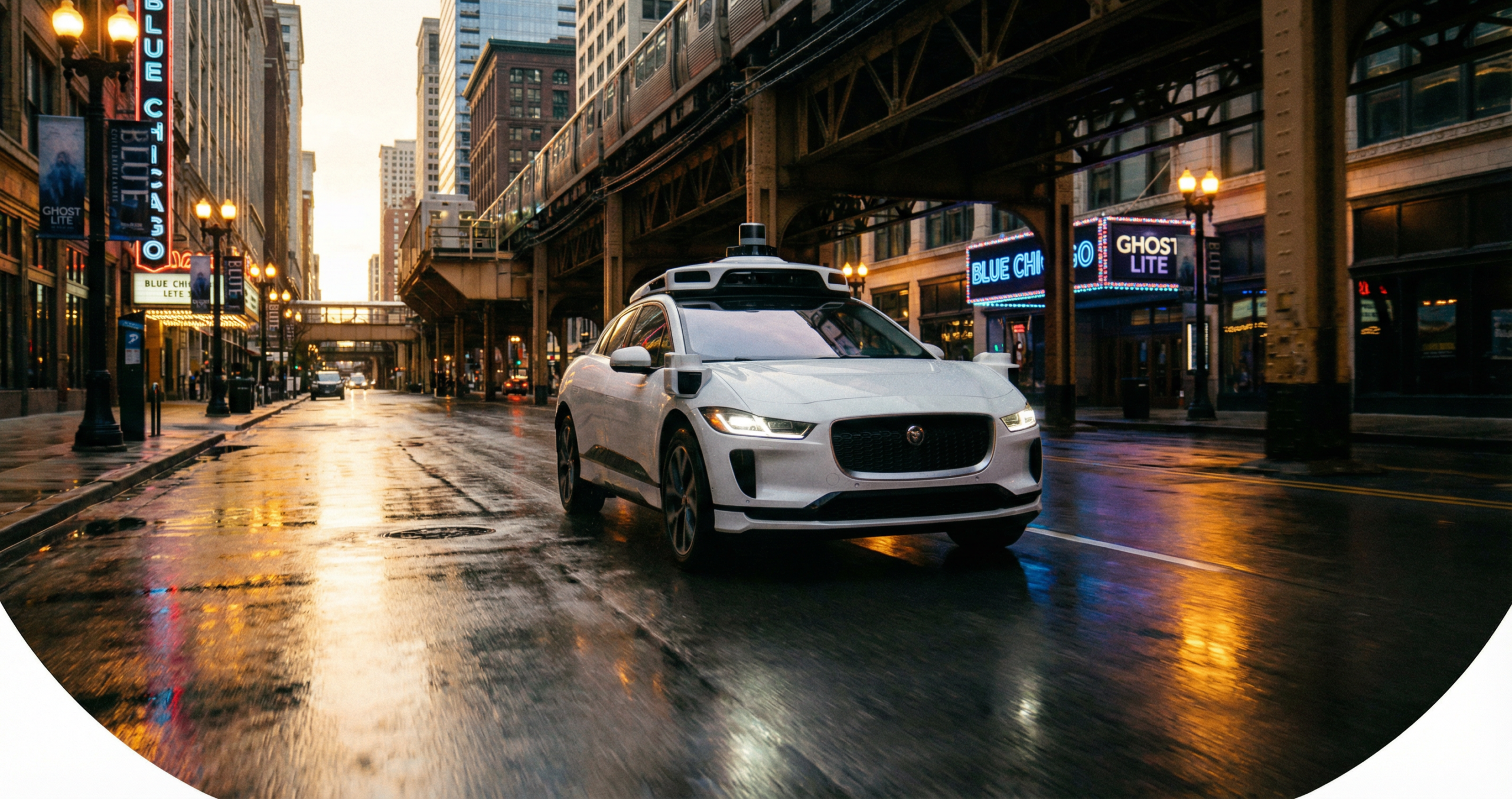
Waymo is expanding its autonomous vehicle service beyond its existing markets, and Chicago and Charlotte are among the next cities to get access to fully driverless robotaxi rides. For anyone who has followed the development of autonomous vehicles over the past decade, this is a significant milestone. For people in those cities wondering what it actually means to hail a self-driving car, here is the practical reality.
Thank you for reading this post, don't forget to subscribe!Why Chicago and Charlotte?
Waymo’s market selection is deliberate and data-driven. The company looks for a combination of regulatory environment, infrastructure quality, population density, ride-sharing demand, and the ability to build a sustainable operational footprint. Chicago and Charlotte fit that profile in different but complementary ways.
Chicago represents Waymo’s first significant test in a cold-weather, high-density urban environment with the kind of unpredictable street conditions that come with extreme seasonal variation. Charlotte, a rapidly growing Sun Belt city, offers a high-growth market with newer infrastructure and a car-dependent transportation culture that makes ride-sharing services structurally in-demand.
Waymo’s Current Market Footprint
Before Chicago and Charlotte, Waymo was operating commercially in San Francisco, the Phoenix metro area, and Los Angeles. The company has completed more than 25 million fully autonomous miles without a driver, according to its published safety reports. That track record is what makes the expansion politically and operationally viable.
How Waymo’s Technology Works in New City Environments
Waymo uses a combination of LiDAR, radar, camera arrays, and high-precision mapping to navigate city streets. One of the operational challenges of entering a new city is the requirement to map the area comprehensively before autonomous operation can begin. Waymo vehicles spend significant time in pre-deployment mapping and testing in supervised modes before commercial launches.
Chicago’s street grid is more regular than San Francisco’s hills and construction complexity, which may reduce some of the mapping challenges. Charlotte’s newer road infrastructure and relatively predictable traffic patterns also make it a lower-complexity environment than Manhattan or Boston would present.
Weather Challenges: Chicago’s Real Test
Winter weather in Chicago represents one of the more significant technical challenges Waymo’s sensor suite faces. Heavy snow can degrade LiDAR performance, cover road markings that the mapping system relies on, and create road condition variability that is harder to anticipate than in temperate markets.
Waymo has been testing adverse weather performance for years, and its vehicles are designed with redundant sensor systems that can compensate for degraded performance in individual sensor types. The Chicago launch will be one of the most closely watched tests of autonomous vehicle cold-weather reliability at commercial scale.
Technical Note: LiDAR degrades in heavy precipitation and can struggle with highly reflective snow and ice surfaces. Waymo’s multi-sensor approach uses radar and camera systems to compensate, but cold-weather performance remains one of the most scrutinized aspects of AV technology.
What Riders Can Expect
How to Request a Waymo Ride
Waymo operates through its own Waymo One app. Riders request a vehicle the same way they would with Uber or Lyft. The key difference is that once the Waymo vehicle arrives, there is no driver. The vehicle operates entirely autonomously from pickup to dropoff.
During initial rollout phases, new cities typically see limited geographic coverage zones before expanding. Expect the first months of Chicago and Charlotte service to cover specific downtown or high-demand corridors before broader expansion.
Pricing
Waymo’s pricing has generally been comparable to or slightly above Uber/Lyft pricing in existing markets. In Phoenix and San Francisco, fares are competitive with human-driven rideshare services, with some variability based on demand, time of day, and route. The company has not announced specific Chicago or Charlotte pricing ahead of launch.
Safety Record
Waymo’s autonomous vehicle safety record is the strongest argument for the technology. Independent analyses of Waymo’s reported data consistently show fewer incidents per mile than the human-driven baseline for comparable ride-sharing trips. The company has not had a fatality in a Waymo-caused incident in commercial operations.
That record matters enormously for regulatory approval and public trust in new markets. Cities and states that have approved Waymo’s commercial operation have generally cited this safety data as foundational to their decision.
The Competition: Waymo vs Uber and Tesla Robotaxi
Waymo is not the only company pursuing autonomous ride-sharing at scale, but it currently has the largest commercial footprint of any AV company. Tesla’s robotaxi ambitions remain in development and have not yet reached commercial deployment. Uber Eats and Uber’s ride platform are exploring AV integration through partnerships but do not operate their own AV fleet.
The expansion to Chicago and Charlotte accelerates Waymo’s advantage in real-world operational experience, which translates directly into better safety data, more training scenarios, and a deeper understanding of how to run AV operations economically.
Bottom Line: Waymo’s Chicago and Charlotte expansion is a major step toward making autonomous ride-sharing a mainstream urban option. For riders in those cities, the timeline for commercial access is measured in months, not years.
Related: Tesla Robotaxi Update 2025 | Self-Driving Truck Startup Einride Raises $113M | Future of Urban Transportation
Waymo One ride-hailing appNHTSA autonomous vehicle regulations
Stay Informed With the Latest & Most Important News



Top News
- Google’s AI-Powered Workspace in Search Is Now Available to All US Users: Here Is What Actually Changed
- How Jeffrey Epstein Used Silicon Valley’s Network: What the Reporting on Reid Hoffman and Tech’s Elite Reveals

- Where to Preorder the iPhone 17E Right Now: Every Deal Ranked Before the March 11 Launch
- Google Apps Experience and Games Level Up: The Programs That Could Cut Your Play Store Commission Significantly

- Google Is Not Waiting for a Settlement: It Just Killed the 30 Percent App Store Fee Unilaterally













Advertisement