

Now Reading: Is Xbox in Danger? What Microsoft Must Do Right Now to Save Its Gaming Division
-
01
Is Xbox in Danger? What Microsoft Must Do Right Now to Save Its Gaming Division
Is Xbox in Danger? What Microsoft Must Do Right Now to Save Its Gaming Division

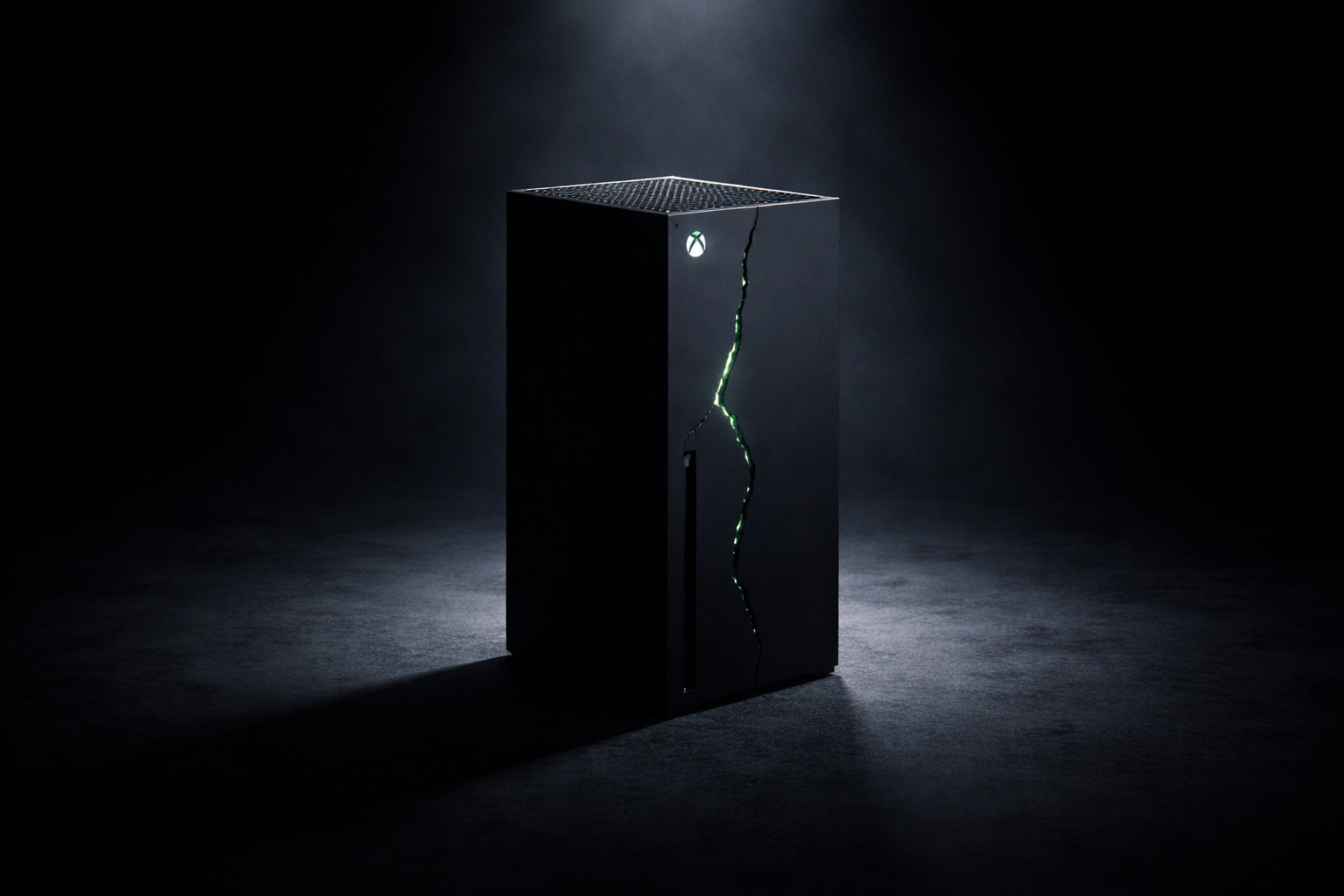
The question being asked in gaming circles, on earnings calls, and inside Microsoft’s own divisions is no longer whether Xbox is struggling. It is whether Microsoft has both the will and the right strategy to fix it before the damage becomes structural and permanent.
Thank you for reading this post, don't forget to subscribe!Xbox is not dying in the way that Sega’s console business died. Microsoft has the resources and the runway to make different decisions. But the combination of declining hardware market share, Game Pass growth deceleration, high-profile studio closures, and PlayStation’s continued dominance has created a crisis of identity for a gaming brand that once seemed poised to reshape the industry.
How Did Xbox Get Here?
Understanding Xbox’s current position requires understanding the bet Microsoft made when it announced the Activision Blizzard acquisition in January 2022 and finally closed it in 2023. The $69 billion deal was the largest in gaming history and was explicitly framed as a catalyst for Game Pass growth. The logic was straightforward: putting Call of Duty, Diablo, Overwatch, and World of Warcraft into Game Pass Day One would drive subscription growth that would redefine Xbox’s business model from hardware-dependent to platform-first.
That thesis has not played out at the velocity the company hoped. Game Pass growth, while continuing, has slowed from the pace needed to justify the acquisition at its purchase price. Call of Duty came to Game Pass and subscriber numbers improved, but not dramatically enough to silence questions about whether the subscription model can generate the revenue needed to sustain $69 billion in content investment.
The Hardware Sales Reality
Xbox Series X and Series S hardware sales have consistently trailed PlayStation 5 throughout the current generation. The sales gap is large enough that third-party publishers now openly discuss PlayStation as the primary development target for console games, with Xbox and PC serving secondary roles.
When third-party games are designed and optimized primarily for PlayStation, Xbox users often receive versions that feel like ports rather than primary targets. That perception, regardless of its accuracy in individual cases, further erodes the hardware value proposition.
The Game Pass Problem
Game Pass is genuinely innovative and consumer-friendly. Providing access to hundreds of games including Day One first-party releases for a monthly subscription fee changed the conversation about game pricing and access in ways that continue to influence the entire industry. Sony’s PlayStation Plus revamp and Nintendo’s ongoing online service evolution both respond directly to the precedent Game Pass set.
The problem is that the subscription model creates a revenue ceiling that traditional game sales do not have. When a blockbuster game sells 20 million copies at $70, the revenue is relatively direct. When the same game enters Game Pass and drives subscriber additions, the revenue is diffuse, delayed, and dependent on retention across the entire subscriber base. The accounting is harder, the growth narrative is harder to sustain, and the pressure to keep adding value is relentless.
The Subscriber Math: Game Pass needs to reach a subscriber base large enough that the per-subscriber revenue across the average subscription period justifies the cost of producing the games that drive subscriptions. At current prices and subscriber counts, that math is under genuine scrutiny from investors.
Studio Closures and Talent Damage
Microsoft’s decision to close multiple acquired studios, including Tango Gameworks (creator of Hi-Fi Rush, which received widespread critical acclaim) and others, sent a damaging signal to both game developers and players. Closing a studio that had just delivered a critically acclaimed game suggested that commercial performance metrics were being applied in ways that the creative community found both arbitrary and demotivating.
The talent market signal is real: developers at independent studios and other publishers watched those closures and updated their own risk calculations about joining or staying at Microsoft-owned studios. Creative talent in game development has choices, and perceived instability accelerates departures.
What Microsoft Must Do to Fix Xbox
Recommit to Hardware Clarity
The Xbox hardware line needs a clearer identity. The Series S, as a budget option, creates a ceiling on the technical ambitions of first-party games because Xbox’s own developers must support it. If Microsoft is serious about competing at the premium end of the market, it needs to either sunset the Series S as a constraint on development targets or accept that it has chosen the subscription and software layer over hardware leadership.
Make Game Pass the Platform, Not Just a Feature
The most compelling version of Game Pass’s future involves deeper integration with cloud gaming, cross-device play, and a genuine value proposition for casual players who do not own consoles. Microsoft’s PC integration via Game Pass Ultimate and its cloud gaming expansion to TVs and mobile devices via xCloud point in the right direction. The execution needs to accelerate.
First-Party Games That Are System Sellers
PlayStation’s consistent advantage has been first-party exclusives that justify hardware purchases. God of War, Spider-Man, Horizon, and Ghost of Tsushima are games people buy PlayStations to play. Xbox’s first-party lineup has struggled to produce equivalent system sellers despite massive studio acquisitions. The Halo franchise is in uncertain territory. Starfield’s commercial performance was mixed. Microsoft needs a game that genuinely moves hardware.
The PC Gaming Angle
One path that does not require winning the console war is making Xbox the definitive platform for PC gaming. Microsoft controls Windows, which runs the vast majority of gaming PCs, and its Game Pass for PC represents an underappreciated asset. Leaning into PC gaming identity, with deep developer tools integration, superior controller and peripheral support, and exclusive PC gaming features, would play to Microsoft’s structural advantages rather than fighting PlayStation on Sony’s home turf.
Bottom Line: Xbox is not dying, but it is at a genuine strategic crossroads. Microsoft has the resources to fix the problems, but fixing them requires accepting some painful truths about where hardware sales are going and making clear, committed decisions about what Xbox is for. Uncertainty is the most dangerous thing for a gaming brand.
Related: PlayStation Moving Away From PC Ports | Console Exclusives Making a Comeback | Best Xbox Game Pass Games 2025
Stay Informed With the Latest & Most Important News



Top News
- Google’s AI-Powered Workspace in Search Is Now Available to All US Users: Here Is What Actually Changed

- How Jeffrey Epstein Used Silicon Valley’s Network: What the Reporting on Reid Hoffman and Tech’s Elite Reveals

- Where to Preorder the iPhone 17E Right Now: Every Deal Ranked Before the March 11 Launch
- Google Apps Experience and Games Level Up: The Programs That Could Cut Your Play Store Commission Significantly
- Google Is Not Waiting for a Settlement: It Just Killed the 30 Percent App Store Fee Unilaterally











Advertisement