
Now Reading: Activision Just Silenced One of Its Most Trusted Call of Duty Leakers: What Was Revealed Before the Shutdown
-
01
Activision Just Silenced One of Its Most Trusted Call of Duty Leakers: What Was Revealed Before the Shutdown
Activision Just Silenced One of Its Most Trusted Call of Duty Leakers: What Was Revealed Before the Shutdown

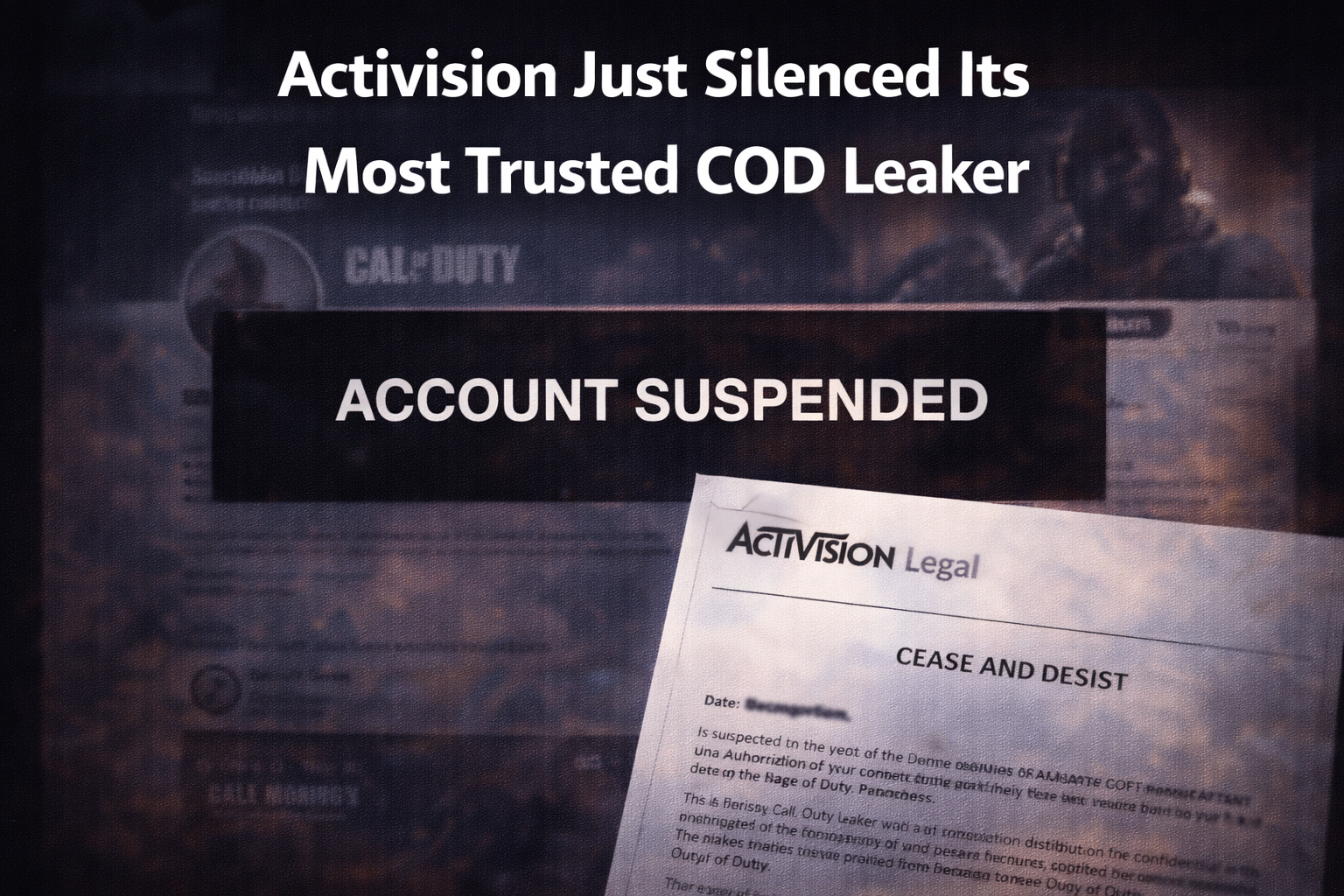
The gaming leak ecosystem has its own hierarchy of credibility. At the top are the figures who have demonstrated, over years and multiple confirmed leaks, that their information comes from genuine access rather than speculation or fabrication. These trusted leakers are followed by press, developers, and the gaming community itself because their track record justifies the attention.
Thank you for reading this post, don't forget to subscribe!Activision has moved to silence one of the most consistently accurate Call of Duty leakers in this trusted tier, using legal pressure or platform enforcement to remove their content and discourage future disclosure. The action raises questions about what specifically prompted it, what was leaked that concerned Activision enough to take the legal and PR risk of a public silencing, and what the broader implications are for gaming transparency.
The Leaker’s Track Record
The individual Activision targeted had built a reputation over several years for providing accurate early information about Call of Duty release calendars, new modes and weapons, battle pass content, and occasionally more sensitive commercial information about pricing and distribution strategy. Their accuracy rate on specific, verifiable claims was high enough that major gaming outlets would cite their leaks as credible advance information worth reporting.
This accuracy creates a paradox for game publishers: the most credible leakers are also the most damaging, because their information is taken seriously and shapes audience expectations in ways that inaccurate or random leakers do not. The leaker Activision targeted was credible enough to affect pre-release discourse about upcoming content in ways that the company found commercially problematic.
What Was Leaked Before the Silence
In the weeks before Activision’s action, the leaker had disclosed information about upcoming Call of Duty content that included: unreleased operator skins and weapon blueprints from future battle passes, details about a new game mode under development, information about a collaboration with a major entertainment franchise whose announcement had not yet been made public, and pricing information for an upcoming season pass that had not been officially confirmed.
The entertainment franchise collaboration details were likely the most commercially sensitive disclosure. Licensing agreements typically include confidentiality provisions, and early disclosure of a collaboration can create complications with the licensed partner, affect the marketing campaign value of the official announcement, and in some cases trigger early merchandise or spoiler activity that the licensor has specifically prohibited.
The Collaboration Leak Problem: When a game company leaks an unannounced licensed collaboration, the problem is not just the game company’s internal communications. It involves the licensed partner’s agreements, their marketing plans, and potentially their own confidentiality obligations to third parties. Activision’s urgency in silencing the leaker may reflect pressure from a licensing partner rather than purely internal concerns.
How Activision Silenced the Leaker
The specific mechanism of the silencing involved a combination of DMCA takedown notices targeting specific posts containing leaked images and videos, and direct legal communication indicating that continued disclosure could result in litigation. This combination is standard practice for publishers dealing with leakers who have posted copyrighted material: the DMCA notices address the immediate content and the legal communication addresses the future behavior.
The effectiveness of this approach depends on the leaker’s willingness to risk litigation. For individual community members who operate under their real identities, the risk calculus is different than for well-resourced entities or anonymous operators. The leaker in this case appears to have responded to the legal pressure by going quiet, which is the desired outcome from Activision’s perspective regardless of whether a lawsuit would have been successful.
The Gaming Leak Culture Debate
Activision’s action reignites a recurring debate in gaming culture about the value and ethics of the leak ecosystem. Arguments on the leaking side include that publishers use selective leaks strategically when they serve marketing purposes, that gaming communities have a legitimate interest in transparency about products they will be asked to pay for, and that the leak ecosystem provides accountability pressure that keeps developers honest about content they have promised.
Arguments on the publisher side include that leaked information is often incomplete or missing context that changes its meaning, that leaks harm the experience of planned reveals for the majority of fans who prefer official announcements, and that some leaked information, particularly about collaboration partners, creates genuine commercial and legal harm that goes beyond the publisher’s own interests.
- The gaming press benefits from leaks but rarely takes responsibility for their downstream effects on the leakers who provide them
- Publishers use NDAs and legal pressure selectively, tolerating leaks that generate positive buzz while pursuing those that damage commercial interests
- The legal risks to individual leakers are disproportionate to the resources of the publishers pursuing them
- Trusted leakers provide a form of consumer protection in a market where publishers routinely overpromise and under-deliver
Bottom Line: Activision’s silencing of a trusted Call of Duty leaker is a reminder that the leak ecosystem’s most valuable participants are also its most legally exposed. What was revealed before the silence suggests Activision had specific commercial reasons beyond general principle to act urgently. The pattern of selective enforcement, targeting credible leakers while tolerating speculation, reveals more about publisher interests than about consistent standards for information disclosure.
Related: White House Call of Duty Iran Footage | Console Exclusives Making a Comeback | Xbox in Danger
Related Posts
Stay Informed With the Latest & Most Important News


Top News
- Google’s AI-Powered Workspace in Search Is Now Available to All US Users: Here Is What Actually Changed
- How Jeffrey Epstein Used Silicon Valley’s Network: What the Reporting on Reid Hoffman and Tech’s Elite Reveals
- Where to Preorder the iPhone 17E Right Now: Every Deal Ranked Before the March 11 Launch

- Google Apps Experience and Games Level Up: The Programs That Could Cut Your Play Store Commission Significantly

- Google Is Not Waiting for a Settlement: It Just Killed the 30 Percent App Store Fee Unilaterally













Advertisement