

Now Reading: Google Drops Play Store Fee to 20% After Epic Games Win: What This Means for App Developers
-
01
Google Drops Play Store Fee to 20% After Epic Games Win: What This Means for App Developers
Google Drops Play Store Fee to 20% After Epic Games Win: What This Means for App Developers

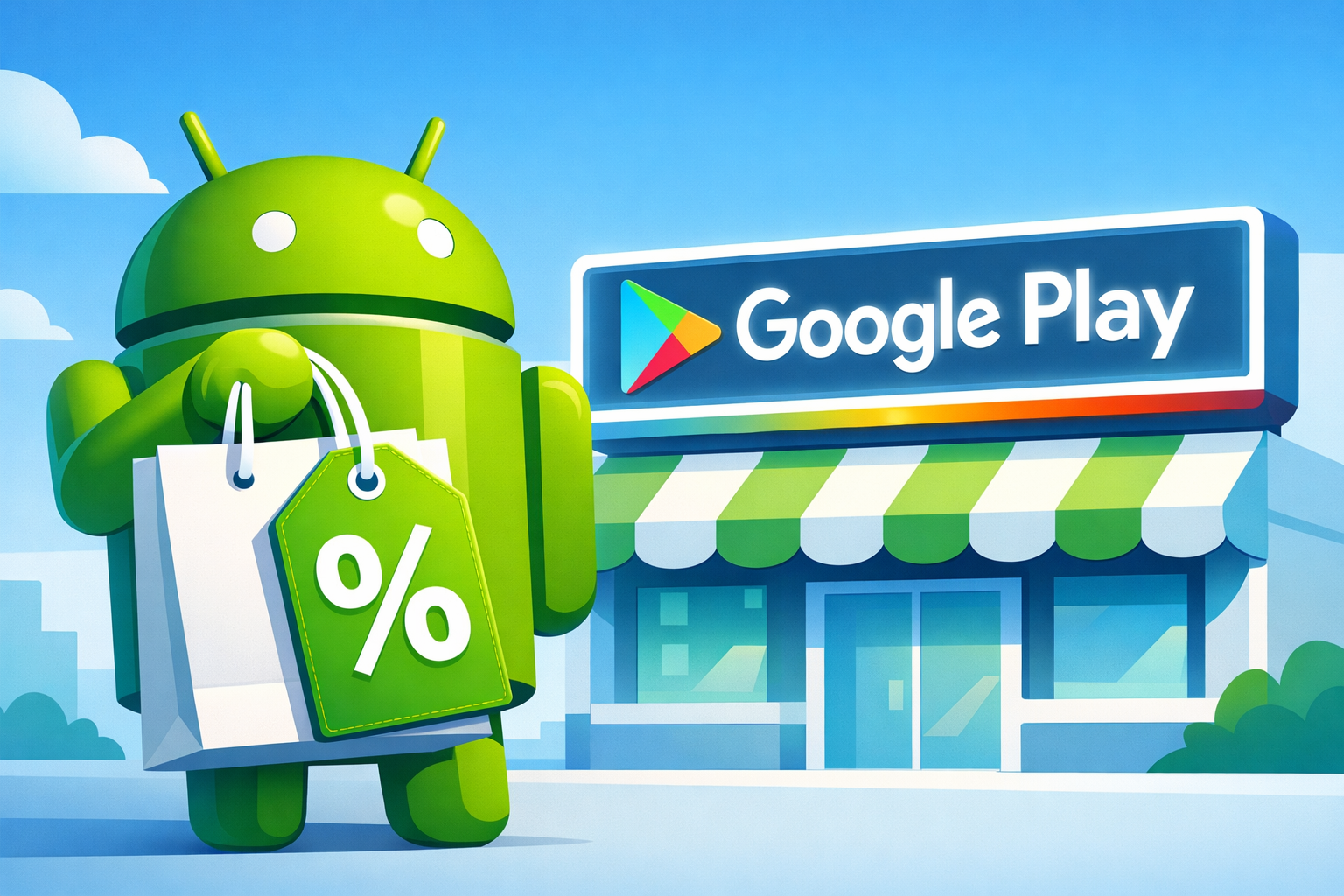
The 30 percent app store tax is dead on Android, at least at its old rate. Google has announced it is reducing its Play Store commission structure following its legal settlement with Epic Games, dropping the standard fee from 30 percent to 20 percent for most app categories. This is one of the most significant changes to the Android app ecosystem since the Play Store launched.
Thank you for reading this post, don't forget to subscribe!For developers, this change arrives with context that matters. Google was not simply being generous. It was responding to an antitrust verdict that found the company had illegally maintained a monopoly over Android app distribution. The fee reduction is a consequence of losing in court, not a strategic gift.
What Exactly Changed and When
Google’s standard commission rate on app purchases and in-app transactions through the Play Store has historically been 30 percent, in line with Apple’s App Store rate. Following the Epic settlement and the court’s findings, Google has moved to a 20 percent baseline commission for most developers.
Tim Sweeney, Epic’s CEO, signed the settlement agreement alongside the announcement of the sweeping changes to Google’s Android app store policies. He also signed away his right to criticize Google’s practices until 2032 as part of the settlement terms, a notable detail that reflects how comprehensive the legal resolution was.
The Fee Reduction Structure
- Standard commission: Reduced from 30% to 20% for most app categories
- Games: Covered under the new fee structure, which had been one of Epic’s central complaints
- Subscriptions: Existing reduced rates for subscriptions may be adjusted under the new structure
- Small developers: Developers with under $1M in annual revenue were already on a 15% rate; that structure remains
The Epic vs Google Case: A Quick Summary
Epic Games filed suit against Google in 2020 after Google removed Fortnite from the Play Store for implementing a direct payment system that bypassed Google’s billing. Epic argued that Google’s requirement to use its payment system, combined with its control over Android app distribution, constituted illegal anticompetitive behavior.
A jury found in Epic’s favor in late 2023, and the remedies phase has now resulted in structural changes to the Play Store including the fee reduction, new interoperability requirements for third-party app stores, and changes to how Google can run its Apps Experience and Games Level Up programs.
Context: Apple faced similar antitrust pressure from Epic in a parallel case. Apple won its case in most respects, though it was required to allow developers to include links to external payment options. Google’s loss was more comprehensive.
What This Means for Developers
The Revenue Math
A 10 percentage point fee reduction on gross revenue is meaningful at any scale. For a developer generating $10 million per year through the Play Store, the reduction translates to $1 million in additional retained revenue annually. For smaller developers, the absolute dollar impact is smaller but the margin effect is proportionally identical.
Fortnite Returns to Google Play
One of the most immediate outcomes of the settlement is that Fortnite is returning to the Google Play Store globally. Epic’s flagship game was absent from Google Play for four years following the initial removal. Its return signals that the core dispute between the companies has been formally resolved at the terms Epic negotiated.
New Metaverse App Categories
Epic and Google have also signed a special deal for a new class of “metaverse” apps that will receive distinct treatment within the Play Store. The specifics of this arrangement suggest both companies are betting on an immersive computing future even as interest in the metaverse concept has cooled from its 2021-2022 peak.
What About Apple’s App Store?
Apple maintains its 30 percent standard commission in most markets, though regulatory pressure in the EU has forced changes to its commission structure for EU-based developers and app distribution rules under the Digital Markets Act. Apple has not voluntarily reduced its fees in response to Google’s changes.
The comparison will intensify scrutiny on Apple. If Google can operate a commercially viable app store at 20 percent commission, the argument that 30 percent is necessary for App Store sustainability becomes harder to make.
The Broader App Store Antitrust Picture
The Google Play Store changes are part of a global regulatory trend that is fundamentally reshaping how app stores operate. The EU’s DMA, South Korea’s billing mandate, and ongoing DOJ scrutiny of Apple all point in the same direction: the 30 percent standard is under permanent pressure from both legal and competitive forces.
For developers, the direction of travel is clearly favorable. The era of unchallenged 30 percent platform taxes may be ending, and the Google settlement is the most concrete evidence of that shift to date.
Bottom Line: Google’s 20% Play Store fee is a historic shift in the app economy. It directly benefits every developer who distributes through Google Play and signals that the decade-long dominance of the 30% standard rate is ending across the industry.
Related: Apple App Store Antitrust Update | Fortnite Returns to Google Play | How App Store Economics Work
Google Play Console developer documentation
Related Posts

Stay Informed With the Latest & Most Important News


Top News
- Google’s AI-Powered Workspace in Search Is Now Available to All US Users: Here Is What Actually Changed
- How Jeffrey Epstein Used Silicon Valley’s Network: What the Reporting on Reid Hoffman and Tech’s Elite Reveals
- Where to Preorder the iPhone 17E Right Now: Every Deal Ranked Before the March 11 Launch
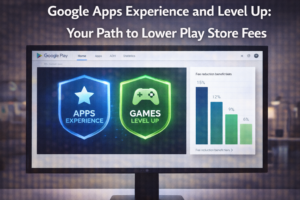
- Google Apps Experience and Games Level Up: The Programs That Could Cut Your Play Store Commission Significantly
- Google Is Not Waiting for a Settlement: It Just Killed the 30 Percent App Store Fee Unilaterally













Advertisement